
Life Cycle Talks – LCA applied in emerging food systems research: Reflections and critical examination
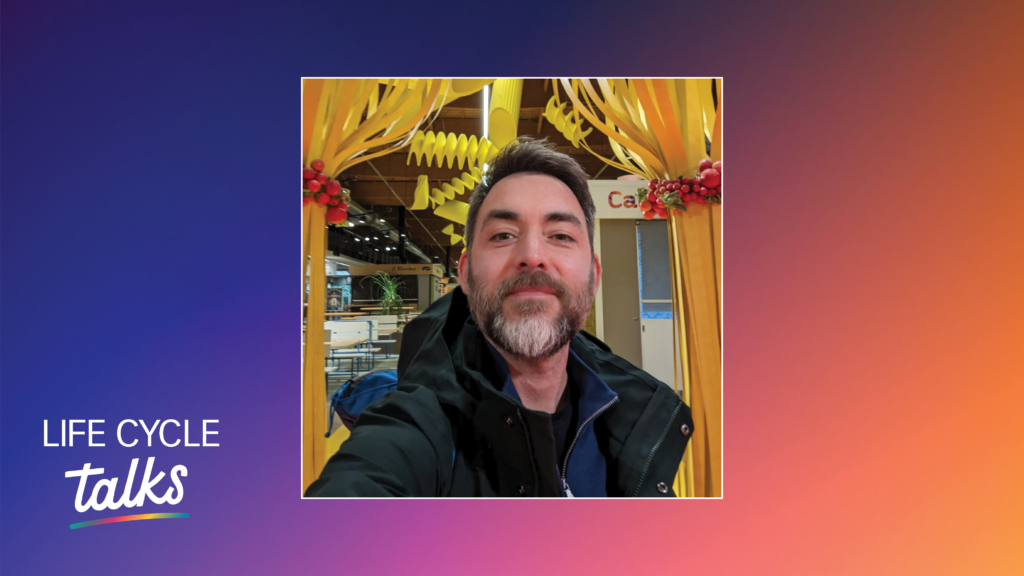 Join us for the next Life Cycle Talks with Michael Martin, Senior Researcher and Adjunct Professor at IVL Swedish Environmental Research Institute and KTH Royal Institute of Technology. In his upcoming talk, Michael critically examines the use of LCA in food systems, focusing on how methods, standards, and sustainability claims are applied, interpreted, and sometimes misused in research, industry, and policy.
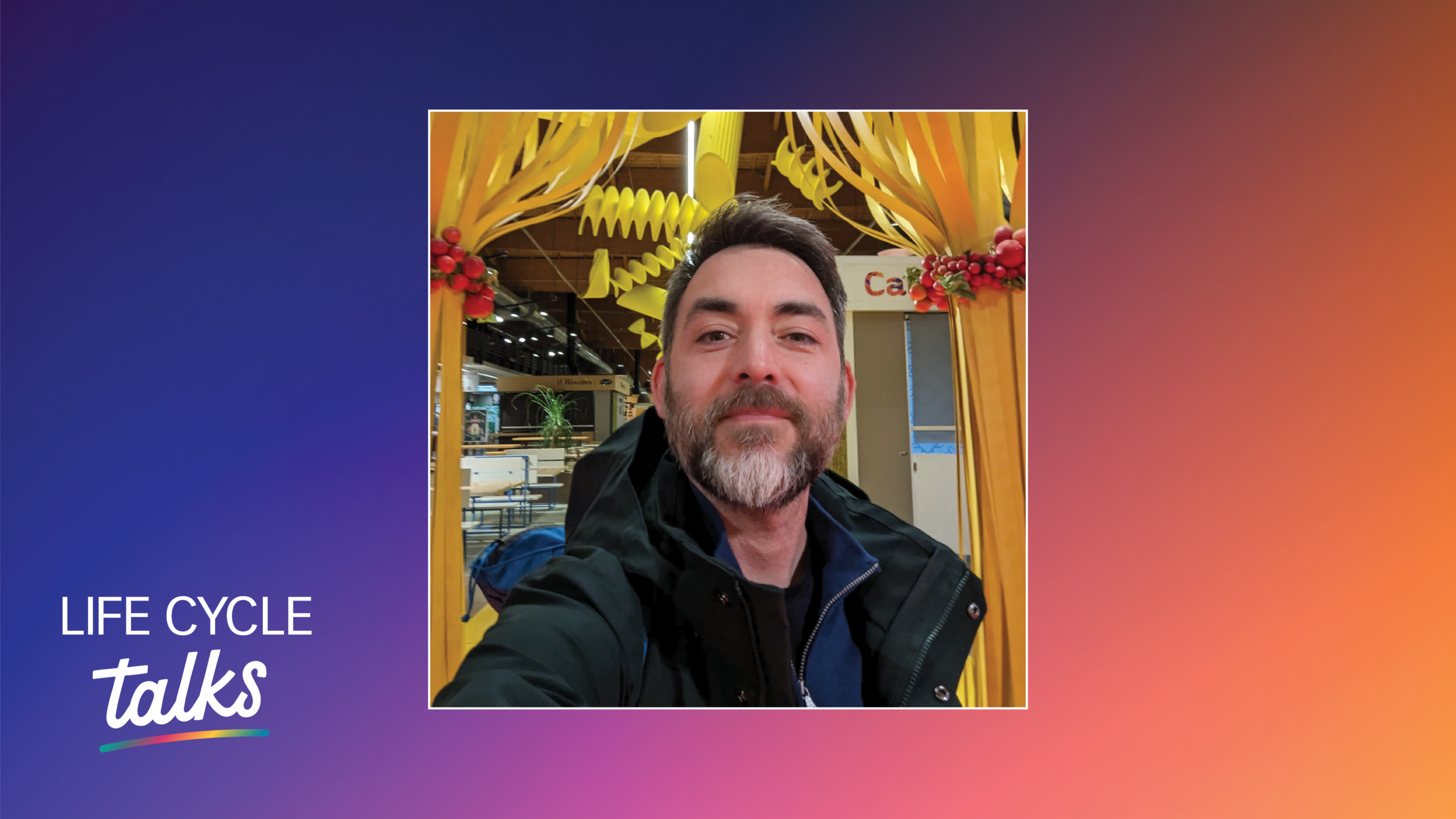
Tell us a bit about your work and what you focus on!
“My research focuses on how life cycle assessment, life cycle management, and circular economy approaches can support decision-making in industry. My research has, in recent years, primarily been focused on food systems and circular economy. I work with both existing and emerging systems, including public food procurement, controlled environment agriculture, industrial symbiosis, by-product valorization, and food and beverage production.
A recurring finding is that sustainability outcomes are highly context-dependent and often involve trade-offs between environmental, economic, and social objectives. My research also shows that the way sustainability is measured, communicated, and integrated into decision-making can be just as important as the results themselves. In recent years I’ve become more interested in life cycle management and how to assess the broader implications of novel technologies.”
What inspired you to bring a life cycle perspective into your work?
“I’m very curious, but also critical of claims. So, I find it fun to constantly learn about new things and expand my knowledge, although I don’t feel I’m ever an expert at one thing. I was attracted to the life cycle perspective because it provides a systems view of sustainability challenges and is a great tool to apply in many of the application areas I work within. Many interventions that appear beneficial in one part of a system can create impacts elsewhere and this is where I was interested in learning more. Life cycle thinking offers a structured way to identify trade-offs, avoid burden shifting, and support decisions based on a more complete understanding of environmental consequences.”
What impact do you hope your work will have?
“I hope my research helps companies, industries, and public organizations learn more about the systems they operate in and the impacts associated with them (which is not always apparent). Sustainability assessments can help identify hotspots, trade-offs, and opportunities for improvement, but they can also highlight uncertainties and knowledge gaps. I am also interested in how this information is used and communicated, including questions around environmental claims, reporting, and what constitutes meaningful sustainability communication. I also want to highlight how LCA is used and misused in order to improve its validity as a scientific method.”
And finally, why do you think a life cycle perspective matters today?
“The life cycle perspective provides a structured way to examine sustainability challenges from a systems perspective. It helps us understand where impacts occur, how they shift between stages of a value chain, and what trade-offs exist between different sustainability objectives. While it does not provide all the answers, it can support more informed discussions by making assumptions, consequences, and trade-offs more transparent.
I also find it a particularly interesting field because it is constantly developing. There are always new methods, data, debates about allocation, and applications to explore, and ongoing discussions about how sustainability should be assessed, interpreted, and communicated. That continuous development keeps the field both relevant and intellectually stimulating.”
Life Cycle Talks with Michael Martin
The talk takes place on 10 September 2026, 13:00-13:30 CEST, online via Zoom.
Title: LCA applied in emerging food systems research: Reflections and critical examination
About Life Cycle Talks
Life Cycle Talks is a series of talks presenting the research front to keep you up to date with the science and application of the life cycle perspective.