In conversation with Sofia Poulikidou
From academia and research to industry, Sofia Poulikidou has been involved in Swedish Life Cycle Center in several different roles. Today, she works as LCA Specialist at Höganäs, and over the years she has been a part of the Center as a PhD student at KTH, researcher at IVL, project manager for the ICON research project, lecturer on the Applied Life Cycle Thinking course, and most recently as Chair of the LCA Data & Methodology working group.
In this interview, Sofia reflects on connecting research with practice, the value of sharing knowledge and the sense of community that has developed over the years.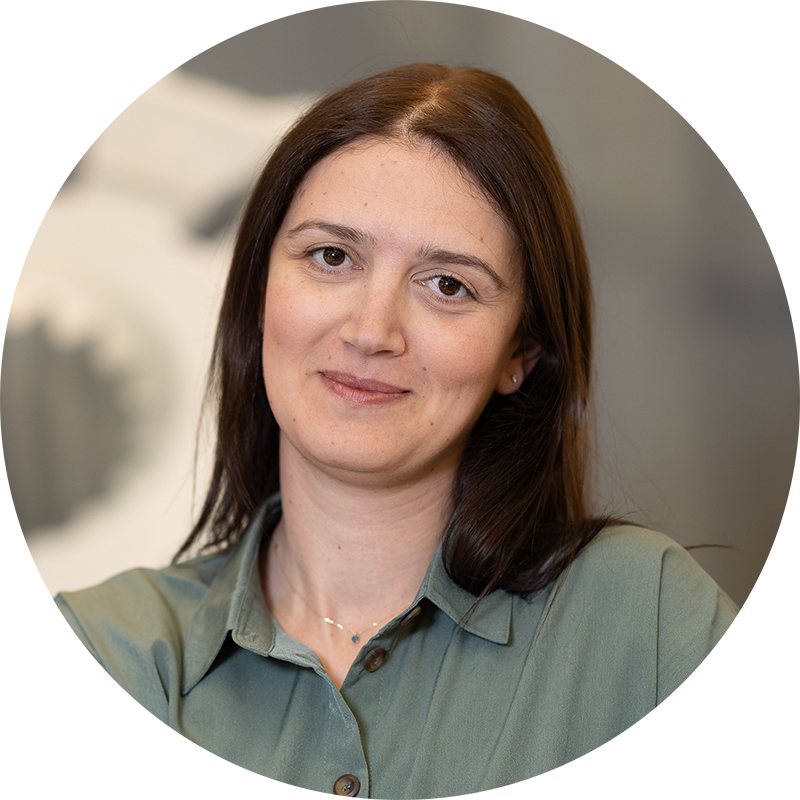
Sofia, you’ve been involved in Swedish Life Cycle Center through academia, a research institute, and now in industry. What significance has the Center had for you in these different roles?
“Swedish Life Cycle Center has always been a unique platform for me that connects people, knowledge, and practice. As a researcher, it gave me the opportunity to relate my research to practice. Today, working in industry, I continue to see the center as an important forum for staying connected to the latest developments in life cycle assessment and life cycle thinking.”
You’ve been involved in many different activities, projects and roles within the Center. What makes Swedish Life Cycle Center a valuable platform to be involved in?
“The Center facilitates a meaningful dialogue between LCA practitioners, researchers, industry and authorities. Through collaborative projects and networking events, it creates opportunities to discuss methodological developments, share practical experiences, and address common challenges. As such it supports the development of relevant methodologies and provides a network where we can learn from each other and collectively advance the application of life cycle thinking.”
You’ve also worked with both research and collaboration within Swedish Life Cycle Center. How do you think the Center contributes to connecting research with the practical application of life cycle thinking?
“The center offers indeed opportunities to connect research to practice. A few examples that I have been involved in include collaborative research projects, working groups, and knowledge-sharing activities. Researchers gain a better understanding of practical challenges and needs, while LCA practitioners in industry gain access to the latest scientific developments and best practices. This interaction helps accelerate both methodological development and the broader adoption of life cycle thinking.”
Is there a particular highlight or memorable experience from your collaboration with Swedish Life Cycle Center that you would like to share?
“The highlight for me is the strong sense of community that has been in the Center throughout the years. The most memorable experiences have often been the discussions both during formal or less formal occasions. I am grateful for the opportunity to build meaningful connections and expand my network of both colleagues and friends.”