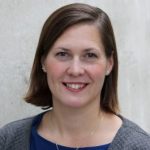
In conversation with Niclas Ericsson
Niclas Ericsson, researcher at SLU, has been involved in Swedish Life Cycle Center in several different roles over the years, from being a member of the Academy group and contributing to the partner recruitment group to coordinating the Center’s PhD course.
In this interview, Niclas reflects on how collaboration has helped bring together PhD students, and the importance of creating opportunities for people to meet and exchange ideas. 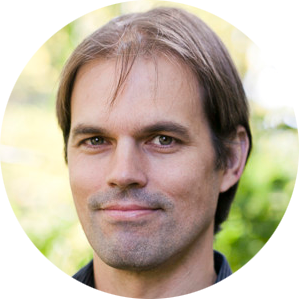
Niclas, what were the most important factors when SLU decided to join Swedish Life Cycle Center?
“We were an increasing number of colleagues, including PhD students that focused mainly on life cycle related topics. And we were continuously developing our LCA courses. Reaching out and trying to network with others that shared a common interest felt like a natural and step, and what Swedish Life Cycle Center had to offer sounded promising.”
What has SLU gained from being part of Swedish Life Cycle Center’s network?
“First of all we have gained an excellent way for us to easily get to know and share ideas and thoughts with very competent people working with life cycle thinking in all parts of Swedish society, and beyond. It is especially valuable to PhDs and postdocs that decide to engage, since it offers them quite a frictionless way of building a personal a network. We have also had the opportunity to develop the LCA course for PhD students, whose predecessor was a local course at SLU. The new format adds a lot of extra value to the students, I believe.”
What role has Swedish Life Cycle Center played in the PhD course and in connecting students across universities and research fields?
“It has been absolutely essential. Without the collaboration in the academy group it would never have been realised the way it is today. Swedish Life Cycle Center has significantly lowered the barrier to collaboration between universities. There is no doubt that Swedish Life Cycle Center has helped attracting students from many different research fields and universities. Even if the course is run at the universities, the help offered by Swedish Life Cycle Center technical secretariat makes administration and outward facing communication much easier.”
What do you see as the most important role for a center like Swedish Life Cycle Center when it comes to developing the skills and expertise needed in the life cycle field in the future?
“The most important role for the center is to remain the facilitator and central hub through which we can meet, network, share ideas and initiate collaborations. By doing so the likelihood that the right people develop the right skills and expertise needed in the future will increase, almost by default. In short, Swedish Life Cycle Centre should keep focusing on making people meet and talk to each other.”