In conversation with Mats Berglund
Mats Berglund has been involved in Swedish Life Cycle Center for many years as Vice Chair of the Board. He works as Manager Product and Service Sustainability at SKF, one of the Center’s long-standing partners, which has been actively involved in the Center’s work over the years.
In this interview, Mats reflects on how collaboration has strengthened SKF’s life cycle capabilities, and the challenges and opportunities ahead.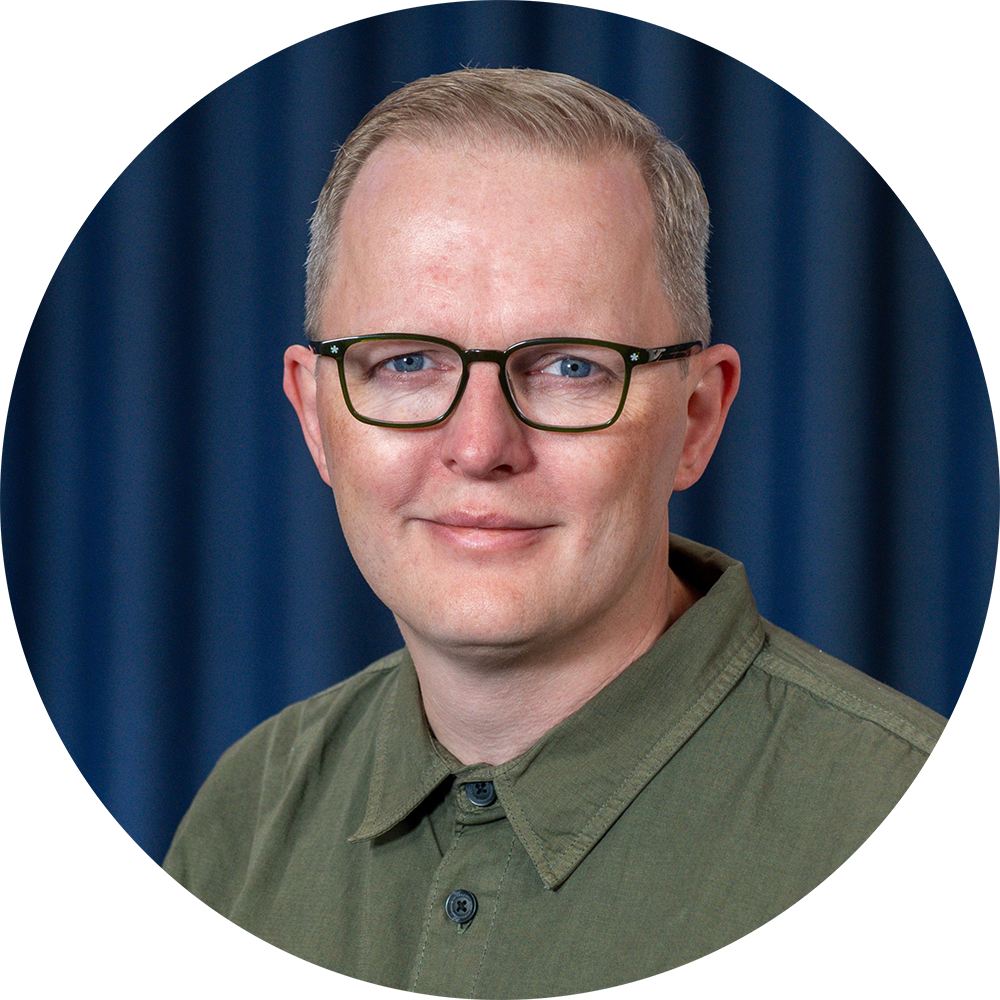
Mats, you’ve been involved in Swedish Life Cycle Center for a long time. Looking back, what developments in the life cycle field do you think the Center has contributed to that have been particularly important?
“One of the most important contributions has been to connect scientific development with practical application. The center has been and is a neutral arena where companies, researchers, public authorities can work on methodological and other challenges together, build knowledge and turn into life cycle practice. This has helped advance harmonization, standards, data, tools etc. It has also strengthened Sweden’s international influence in the area. Life cycle thinking has been made more useful in real decisions, for specialists, in areas like product development, as well as in policy and business strategy.”
How has Swedish Life Cycle Center contributed to developing SKF’s expertise and capabilities in life cycle thinking?
“For SKF, the Center has provided access to expertise, research and a professional network that would be difficult for any company to build alone. We’ve been part of many working groups, projects and other network activities to learn together with academia and other companies.
Over the years we’ve seen for example standardization of how environmental impacts can be valued in economic terms, analysis of recycling and electricity modelling in LCA and in-depth comparison of different frameworks and standards. This has all directly supported SKF in developing more consistent PCF and LCA methods, how we manage data and improved our decision and information support. In the end this has enabled us to respond more credible to growing demands from customers and regulators.”
Which issues or topics within the life cycle field do you see as being particularly important in the years ahead?
“I see several issues that will be especially important. First, we need greater consistency between standards and calculation frameworks so that results are comparable and trusted. Second, life cycle data must become more accessible and traceable across value chains, digitalization will enable this, but quality and transparency must be ensured. Third, we must move beyond carbon alone and improve how it addresses for example resource use, biodiversity and trade-offs between impact categories. We also need methods that can be used faster and at scale in product development and business decisions. Finally, AI will help make LCA more efficient, but it must be transparent, based on robust data and supported by expert judgement.”