In conversation with Björn Spak
Björn Spak, Team Leader at IVL Swedish Environmental Research Institute, has been involved in Swedish Life Cycle Center for many years. Over the years, he has made it a guiding principle to work for organizations that are partners of the Center, working at the Swedish Environmental Protection Agency, Essity, RISE, and now IVL.
In this interview, Björn reflects on the importance of following and contributing to EU developments and the role of the Center in the years ahead.
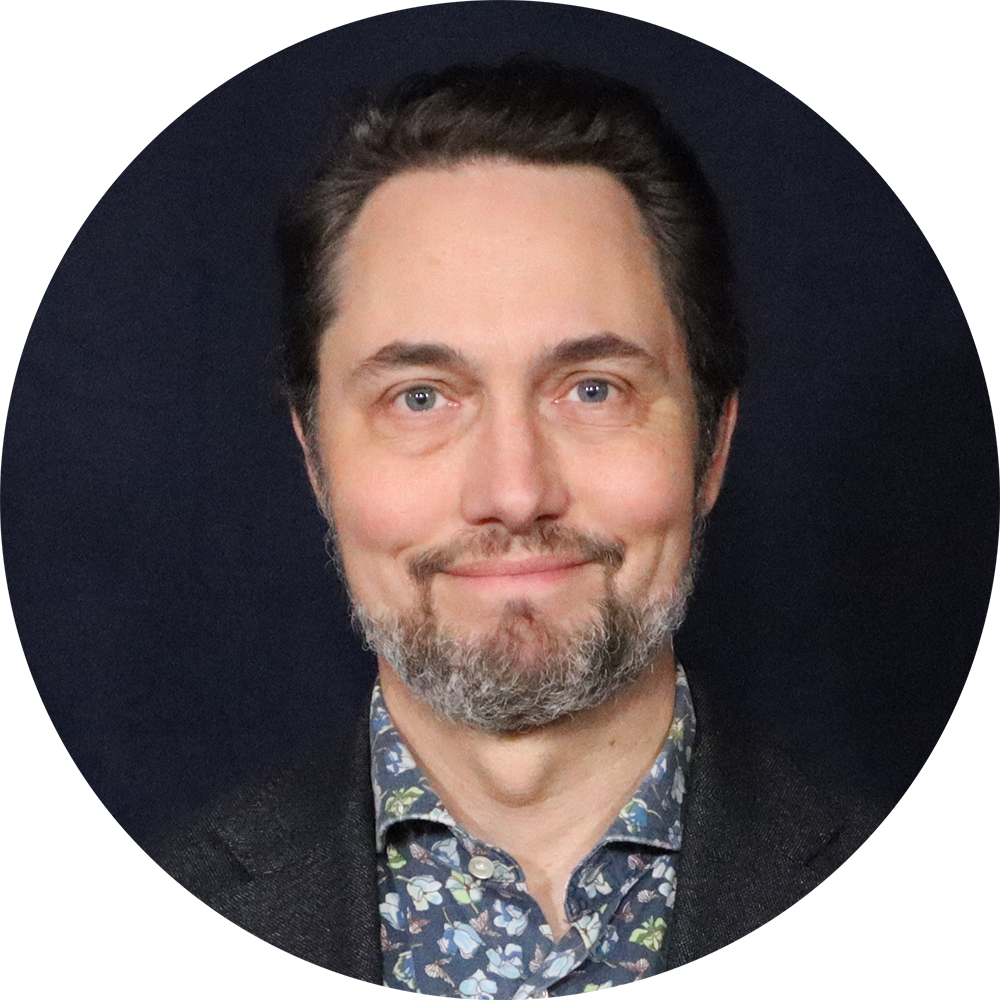
Björn, you’ve worked with the life cycle perspective in several different organizations. How has the Swedish Life Cycle Center been relevant in those different roles?
“Working with the life cycle perspective is complex and laborious, considering all value chains and environmental impacts, this requires a broad expertise. I’ve worked within organizations with high life cycle competence but still each organization cannot harness all competencies within itself. The co-operation within the Swedish Life Cycle Center gives the partners access to the collective competence of the Center.”
You’ve served as chair of the Environmental Footprint expert group. What significance has the group had for the Swedish Life Cycle Center partners ability to follow, understand, and contribute to the EU’s development of environmental footprint methods?
“Through the Environmental Footprint expert group, partners get information directly from Swedish representatives in the expert group of the European Commission who is driving the development of the EF’s. Furthermore, through the discussions in the expert group, input from participants is channeled back to the Commission by the representatives, influencing the development of the methods. ”
How do you see Swedish Life Cycle Center’s role going forward at a time when the life cycle perspective is becoming increasingly important in policymaking and legislation?
“The process of integrating life cycle thinking in EU product legislation can be expected to continue and accelerate – it is increasingly becoming a ticket to play rather than something optional. SLC has a role to support academia, industry, research institutes and governmental institutes in this transition, making sure it’s partners and society are well equipped for the future.”